

Skin Cancer
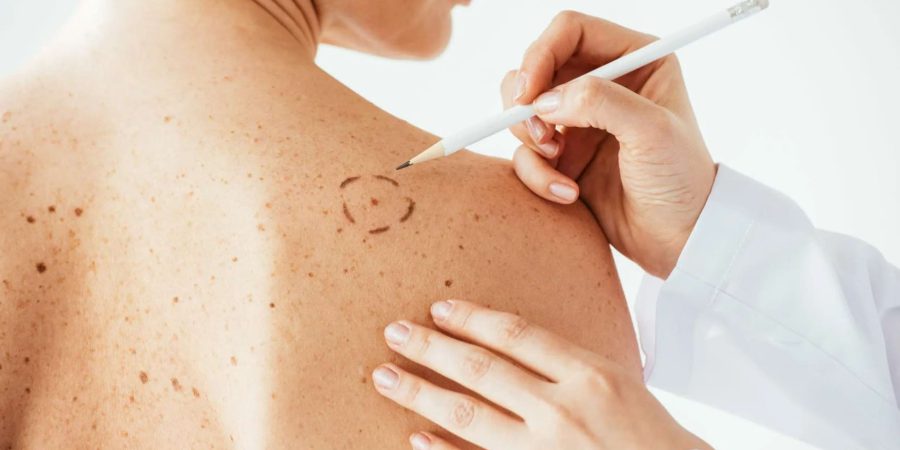
Skin cancer is the most common form of malignancy in the United States and worldwide. Unfortunately one in five Americans will develop some form of skin cancer in the course of their lifetime. At Silk Dermatology, our providers have extensive experience in the early detection, diagnosis, and treatment of all types of skin cancers.
We provide expert, interdisciplinary care for patients with melanoma and non-melanoma skin cancers and preventative assessment and care for people who may be at heightened risk for skin cancer.
Early detection improves the outcome for all forms of skin cancer, and we encourage our patients to familiarize themselves with the signs of skin cancer and come in for routine screenings. We use the latest technologies to identify cancerous or pre-cancerous lesions and detect all types of skin cancers. When cancer is detected, our dermatologists will work with you to develop a personalized treatment plan and manage your care throughout the treatment process.
Accurate and Rapid Diagnosis for All Types of Skin Cancer
There are several types of skin cancers. More common skin cancers include:
- Basal cell carcinoma (non-melanoma skin cancer)
- Squamous cell carcinoma (non-melanoma skin cancer)
- Melanoma
At Silk Dermatology, we are committed to ensuring you receive an accurate diagnosis, whether your skin cancer is a common or rare form. We offer interdisciplinary care to manage all types of skin cancers.
Signs and Symptoms of Skin Cancer
In addition to seeing your dermatologist for routine skin cancer screenings, it is important to know what to look for at home. When you notice a change in a mole, such as prolonged itchiness, crusting, or change in size and shape, or if you have a sore that will not heal, make an appointment and show it to your dermatologist. Knowing your ABCDEs of skin cancer signs can help you when you check your skin at home. Warning signs includes but not limited to:
- A for Asymmetry: A mole that is irregular in shape
- B for Border: A mole with edges that are blurry or irregular
- C for Color: A mole that is not uniform in color
- D for Diameter: A mole that is larger than 6mm, or the size of a pencil eraser
- E for Evolution: A mole that changes over time
Make an appointment with your dermatologist if you notice any of these signs or have any other cause for concern. Early detection of skin cancer is crucial to ensure the most effective treatment.
The Silk Dermatology Approach
Diagnostic expertise: In case a biopsy of your skin is performed to confirm the diagnosis of skin cancer, the sample will be sent to Dermatopathology Laboratory to provide accurate diagnoses.
Interdisciplinary care: As part of a modern medical center, we provide seamless care for a wide ranges of skin cancers, educating patients about the best and most up-to-date treatment currently available for their skin cancer
Excision and Mohs surgery: In case of a need for surgery we can provide excisional surgery or in some cases we refer the patients to well-known mohs surgeons with particular expertise with Mohs micrographic surgery.